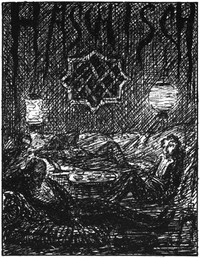
Haschisch: Erzählungen by Oscar A. H. Schmitz
Oscar A. H. Schmitz's Haschisch: Erzählungen (Hashish: Stories) is a collection of tales from the turn of the 20th century, all linked by a single, potent substance. We meet a cast of characters from the educated and artistic circles of pre-WWI Europe—painters, writers, bored aristocrats, curious doctors. In each story, someone decides to try hashish, often in a social, almost experimental setting.
The Story
There isn't one plot, but a series of explorations. One character might take it hoping for artistic inspiration, only to find their mind flooded with chaotic, useless images. Another might use it at a party, leading to a breakdown of social graces and the revealing of secret jealousies. The drug acts as a catalyst, speeding up thoughts and stripping away inhibitions. The 'action' is internal: it's about the journey inside a character's head as their perception of reality bends, warps, and sometimes shatters. The stories document these altered states with a mix of clinical curiosity and literary flair, watching as personalities unravel or hidden truths come bubbling to the surface.
Why You Should Read It
What grabbed me was how modern it feels, despite being written in 1902. Schmitz isn't glorifying drug use or warning against it in a simple way. He's genuinely interested in the mind. Reading this, you feel like you're witnessing early, raw observations about psychology and consciousness. The characters are often pretentious or flawed, which makes their unravelling under the influence strangely compelling and sometimes darkly funny. You see their vanity, their fears, their unspoken desires laid bare. It's less about the 'high' and more about what the high reveals. The book becomes a mirror held up to a very specific society, showing its cracks and contradictions.
Final Verdict
This one's for the curious reader. It's perfect for anyone interested in the history of ideas, especially early psychology and the Decadent movement in European literature. If you enjoyed the introspective weirdness of Robert Louis Stevenson's Strange Case of Dr Jekyll and Mr Hyde or the social observations in the works of Thomas Mann, you'll find a kindred spirit in Schmitz. It's also a great pick for readers who like 'weird fiction' that's based more in philosophy than monsters. Fair warning: it's not a fast-paced thriller. It's a slow-burn, thoughtful, and deeply atmospheric series of character studies. Pour a cup of tea, settle in, and prepare for a truly unique trip into the past—and into the mind.
This title is part of the public domain archive. You are welcome to share this with anyone.